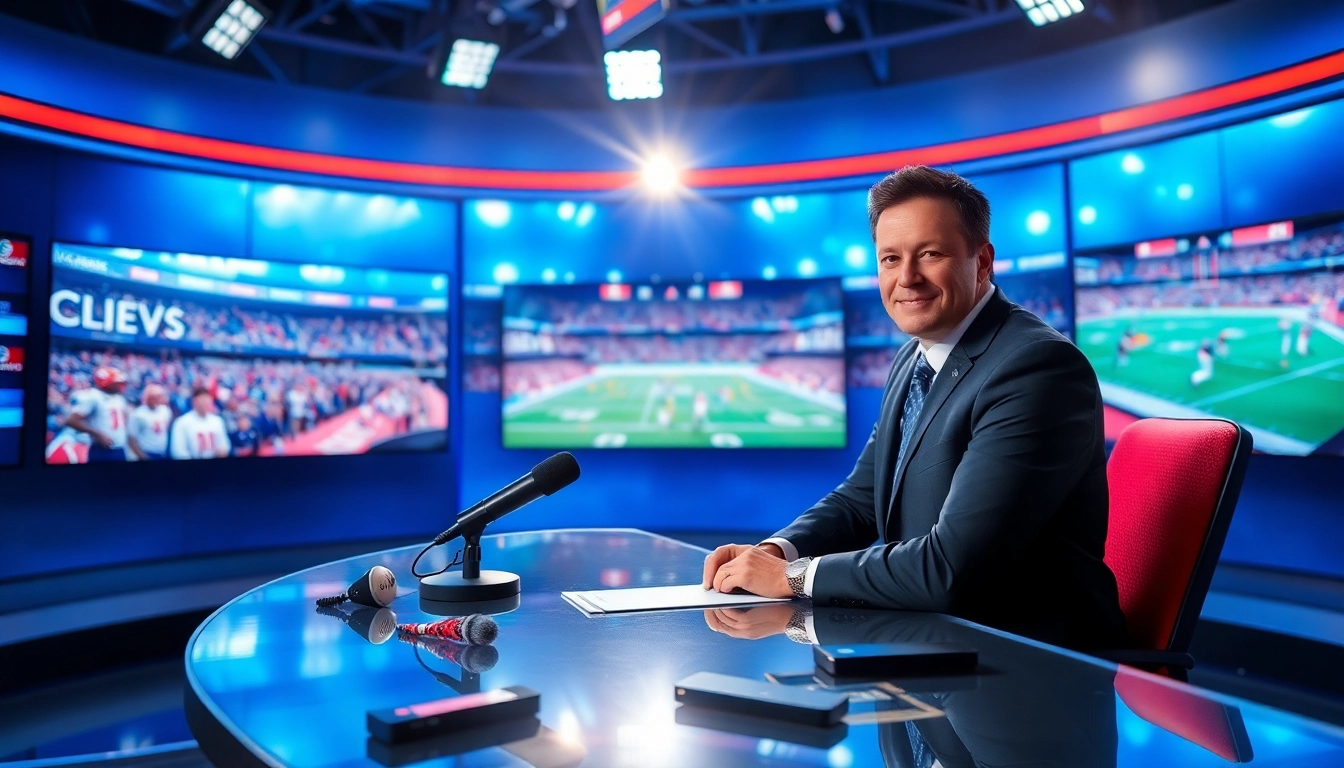
Understanding Sports Broadcasting Fundamentals
The Evolution of Sports Broadcasting
Sports broadcasting has evolved from rudimentary radio broadcasts in the early 20th century to the dynamic multi-platform media landscape we see today. Initially, sports were primarily broadcasted over the radio airwaves, allowing fans to follow their favorite teams and events in real-time, albeit through the imagination of their own minds. As technology advanced, television emerged as the primary medium, introducing visual storytelling that transformed the way audiences consumed sports. Major sporting events became phenomena, with millions tuning in to experience the excitement firsthand.
The growth of cable and satellite television further expanded the reach and ability of networks to broadcast sports events. The advent of digital platforms has now allowed fans to consume content at any time, on multiple devices, and in various formats—from live streams to highlight reels. The transformation of sports broadcasting also encompasses a more personalized viewing experience as fans now enjoy a plethora of channels dedicated to niche sports and local leagues, marking a significant shift from the previously narrow focus of mainstream sports broadcasting.
Key Components of Effective Sports Broadcasting
Effective sports broadcasting requires a blend of technical proficiency, engaging storytelling, and a deep understanding of the sport being covered. Key components include:
- Commentary: Skilled commentators play a pivotal role in enhancing the audience’s experience by providing insights, analyses, and real-time commentary during events.
- Visual Production: High-quality video production, including camera work, graphics, and replays, is essential in bringing the action to life and maintaining viewer engagement.
- Audience Interaction: Modern broadcasters must harness social media, polls, and viewer feedback to create an interactive environment that keeps audiences involved.
- Content Diversification: Creating varied content—ranging from interviews and behind-the-scenes clips to analytical breakdowns—enhances viewer loyalty and encourages broader audience engagement.
Technology’s Impact on Sports Broadcasting
The impact of technology on sports broadcasting is profound and transformative. Innovations such as high-definition and 4K broadcasting, aerial drones, and virtual reality are enhancing the viewer experience significantly. Besides, the integration of augmented reality within sports broadcasts allows fans to view real-time statistics and player data on their screens seamlessly.
Moreover, mobile applications and streaming services provide viewers with the flexibility to watch sports whenever and wherever they want. This accessibility drives engagement and allows broadcasters to reach wider audiences, breaking geographical barriers. Broadcasters are investing in data analytics tools that can analyze viewing patterns and optimize the content delivered to audiences, ensuring that they remain engaged and loyal to the brand.
Career Paths in Sports Broadcasting
Essential Skills for Sports Broadcasting Professionals
Pursuing a career in sports broadcasting requires a unique set of skills. Professionals in this field must possess strong communication abilities, both written and verbal. They should also have a comprehensive understanding of various sports, including rules, strategies, and historical contexts. Technical skills in operating broadcasting equipment and editing software are imperative.
Additionally, adaptability and quick thinking are crucial, particularly during live broadcasts where unexpected events can occur. Networking skills are equally important, as relationships in the industry can lead to career advancements and unique opportunities. Successful broadcasters often find ways to connect with audiences through storytelling and captivating presentation styles.
Common Roles and Responsibilities
The sports broadcasting industry encompasses various roles, each with unique responsibilities:
- Sports Commentator: Provides live commentary and analysis during a sporting event, bringing excitement and contextual insight to the viewers.
- Sports Anchor: Hosts sports news segments, delivering updates on various sports events, athlete performances, and industry developments.
- Producer: Oversees the production of sporting shows and events, ensuring all elements—from graphics to audio—are executed cohesively and in alignment with the overall vision.
- Video Editor: Edits recorded footage to craft engaging highlight reels and segments that attract viewers.
Networking in the Sports Broadcasting Industry
Networking is a cornerstone of building a lucrative career in sports broadcasting. Establishing connections with professionals in the field, attending industry events, and leveraging social media platforms can significantly enhance one’s visibility and opportunities. Individuals should actively participate in discussions on forums and groups dedicated to sports broadcasting, as these platforms allow for meaningful interactions with peers and mentors alike.
Moreover, internships and entry-level positions provide invaluable hands-on experience, allowing budding professionals to learn about the industry while building relationships with established broadcasters. Networking does not only pave the way for job opportunities but also facilitates collaboration and knowledge sharing, which can lead to personal and professional growth.
Best Practices for Sports Broadcasting
Engaging Your Audience During Live Events
Engaging an audience during live sports broadcasts requires a multi-faceted approach. Broadcasters should utilize storytelling techniques that not only recount the events of the game but also connect emotionally with viewers. This can involve highlighting personal stories of athletes, significant historical events related to the game, or interesting statistics that resonate with the audience.
Incorporating audience feedback through social media interactions or live polls can greatly enhance viewer participation. For example, inviting fans to share their predictions or reactions in real-time can create a sense of community and increase engagement. The use of graphics and sound effects to enhance storytelling can also keep audiences enthralled throughout the event.
Ethics and Responsibilities in Sports Broadcasting
Sports broadcasters carry the responsibility of delivering accurate and unbiased information. Ethical considerations in sports broadcasting include fairness, objectivity, and transparency. It is crucial to avoid favoritism or sensationalism, as these can undermine trust and credibility with the audience. Broadcasters should also respect intellectual property rights when using footage or images, ensuring that all content is used with permission or rights acquired.
Additionally, handling sensitive topics, such as athlete injuries or personal issues, requires tact and sensitivity. Broadcasters must prioritize the well-being of individuals involved while still providing valuable insights to fans. Upholding these ethical standards not only enhances the integrity of sports broadcasting but also fosters long-term viewer loyalty.
Branding Strategies for Sport Broadcasters
Establishing a strong brand identity is fundamental for sports broadcasters. This involves defining what sets them apart from others in the industry and creating a consistent image—whether through unique presentation styles, specific audiences catered to, or content focus.
Broadcasters can leverage social media and digital marketing strategies to reach and engage audiences effectively. Content marketing through blogs, podcasts, or video series allows broadcasters to establish authority and build a loyal following. Embracing collaborations with influencers or personalities within the sports sector can further expand the broadcaster’s reach and enhance brand recognition.
Current Trends Shaping Sports Broadcasting
Digital Platforms and Their Influence
The rise of digital platforms is transforming the landscape of sports broadcasting. Streaming services and social media networks provide an alternative to traditional cable broadcasting, allowing fans to watch games in flexible ways. This shift has compelled traditional broadcasters to adapt their strategies, often leading to the creation of apps and enhanced digital content.
Viewers can now access live events, instant highlights, and exclusive behind-the-scenes content via their mobile devices, making sports more accessible than ever. This trend highlights the necessity for broadcasters to innovate continuously and understand new viewer behaviors to capture and retain audiences.
Interactive Technologies and Viewer Engagement
Interactive technologies, such as mobile apps and augmented reality, are revolutionizing viewer engagement in sports broadcasting. These technologies allow viewers to control their viewing experience, customize content, and engage with the live events they are watching actively.
For instance, apps that allow viewers to select camera angles or access player statistics add layers to the viewing experience. Engaging audiences through gamification—such as virtual fantasy sports or loyalty programs—can significantly increase retention rates and viewer interaction. Broadcasters who leverage these technologies effectively will stand out in a highly competitive market.
Data Analytics in Sports Broadcasting
Data analytics is becoming integral to understanding audience preferences and optimizing broadcasting strategies. By analyzing viewing patterns, demographics, and engagement metrics, broadcasters can tailor their content and marketing strategies more effectively. Data-driven decision-making allows for the personalization of viewer experiences, ensuring relevant content reaches the right audience.
Furthermore, real-time analytics during live broadcasts can help broadcasters understand audience reactions and adjust their strategies on the fly. This agility in approach can lead to significant improvements in overall viewer satisfaction and engagement.
Evaluating Success in Sports Broadcasting
Key Performance Indicators for Broadcasters
Measuring success in sports broadcasting requires specific key performance indicators (KPIs) that reflect audience engagement and satisfaction. Common KPIs include viewer ratings, audience reach, demographics, and social media engagement metrics. Tracking these indicators helps broadcasters understand what content resonates with audiences and where improvements can be made.
Additionally, revenue metrics such as ad sales, subscriptions, and sponsorships are critical for assessing the financial success of a broadcasting entity. Understanding the relationship between audience metrics and financial performance enables broadcasters to fine-tune their offerings and maximize profitability.
Analyzing Audience Metrics
Analyzing audience metrics allows broadcasters to gain deep insights into viewer behaviors. Tools that track viewership numbers—both live and on-demand—inform decisions about content creation and distribution. Monitoring engagement metrics, such as time spent watching or frequency of viewing, offers valuable data that can be utilized to enhance programming.
Viewer feedback through surveys and social media also plays a critical role in understanding audience preferences. Identifying trends in viewer behavior helps broadcasters to adjust strategies and content offerings to better meet the expectations of their audience.
Continuous Improvement in Sports Broadcasting
Continuous improvement is vital for staying relevant in the fast-paced sports broadcasting industry. Broadcasters need to stay ahead of technological advancements and changing viewer preferences to sustain audience engagement. Employing feedback loops that incorporate viewer insights, performance metrics, and industry trends are essential for ongoing development.
Investing in training and development for broadcasting teams ensures that they remain at the forefront of industry standards and practices. Through a commitment to excellence, sports broadcasters can maintain high-quality productions that resonate with audiences and elevate their brand.
FAQs About Sports Broadcasting
1. What are the main channels used for sports broadcasting?
Sports broadcasting occurs through various channels including traditional TV, radio, digital streaming platforms, and social media, each providing unique viewer experiences.
2. What skills are essential for a career in sports broadcasting?
Essential skills include strong communication, in-depth sports knowledge, technical video production skills, and the ability to engage with audiences effectively.
3. How has technology changed sports broadcasting?
Technology has enhanced sports broadcasting through high-definition visuals, interactive content, real-time statistics, and mobile application accessibility, vastly improving viewer engagement.
4. What role do data analytics play in sports broadcasting?
Data analytics provide insights into viewer behavior and preferences, enabling broadcasters to tailor content strategies and improve overall audience satisfaction.
5. What are key performance indicators for broadcasting success?
Key performance indicators include viewer ratings, audience reach, engagement metrics, and financial metrics like ad sales and subscriptions, measuring overall effectiveness.
About the Author