Understanding Ceramic Window Tint
What is Ceramic Window Tint?
Ceramic window tint is a high-performance film made with advanced nanotechnology, designed to improve your vehicle’s aesthetics and functionality. Unlike traditional tinted films, which often use dyes or metals, ceramic window tint incorporates tiny ceramic particles that provide enhanced heat rejection and clarity. This innovative film offers a sleek look while maximizing visibility and minimizing glare. For vehicle owners looking to combine style with utility, ceramic window tint represents a premier choice.
Benefits of Ceramic Window Tint
The advantages of ceramic window tint extend beyond mere aesthetics. Here are some key benefits:
- Superior Heat Rejection: Ceramic window tint blocks a significant amount of solar heat, helping to keep your vehicle cool.
- UV Protection: This tint can eliminate up to 99% of harmful UV rays, safeguarding both your skin and your car’s interior.
- Enhanced Privacy: Depending on the shade chosen, ceramic window tint can offer a higher level of privacy for you and your passengers.
- Clarity and Visibility: Unlike traditional films that can cause distortion, ceramic tints maintain high clarity and visibility.
- Signal Friendly: Ceramic window tint allows electronic signals to pass through, making it ideal for vehicles equipped with advanced tech.
How Ceramic Window Tint Works
The science behind ceramic window tint involves the unique properties of ceramic materials, which reflect heat while allowing visible light to pass through. This is achieved through a layering process that combines infrared-rejecting ceramic particles within a clear film. When sunlight hits the window, the ceramic tint absorbs and reflects a large portion of the infrared spectrum, reducing heat gain inside the vehicle. In essence, it creates a comfortable environment while protecting your vehicle’s interior from fading due to sun exposure.
Choosing the Right Ceramic Window Tint
Factors to Consider When Selecting Tint
Choosing the right ceramic window tint involves understanding various factors:
- Legal Regulations: Different states have specific regulations regarding tint darkness and reflectivity. Make sure to check your local laws.
- Purpose: Clarify your primary motivation for tinting—whether for heat reduction, UV protection, privacy, or aesthetics.
- Warranty: Look for products that come with a warranty, as this often hints at the quality and durability of the tint.
- Color and Shade: Select a shade that complements your vehicle’s aesthetics while providing comfort and protection.
Different Types of Ceramic Window Tint
Ceramic window tint is available in several types, each designed to cater to different needs. Some options include:
- Standard Ceramic Tint: Offers excellent heat reduction and UV protection while maintaining clarity.
- Metal-Free Ceramic Tint: Ideal for those using electronic devices, as it doesn’t interfere with signals.
- Dyed Ceramic Tint: Combines dye with ceramic particles for aesthetic value but may not provide the same heat rejection.
Common Misconceptions About Tint
Many myths surrounding window tint can lead to misinformed purchasing decisions. Here are a few common misconceptions:
- All Tints are Equal: Not all tints offer the same level of protection. Ceramic tints provide superior benefits compared to dyed or metallic options.
- Tints Cause Legality Issues: As long as you adhere to state laws, window tinting is perfectly legal.
- Tint Makes Windows Dark: Ceramic tint can be applied transparently, offering protection without drastically darkening the glass.
Installation Process of Ceramic Window Tint
DIY vs. Professional Installation
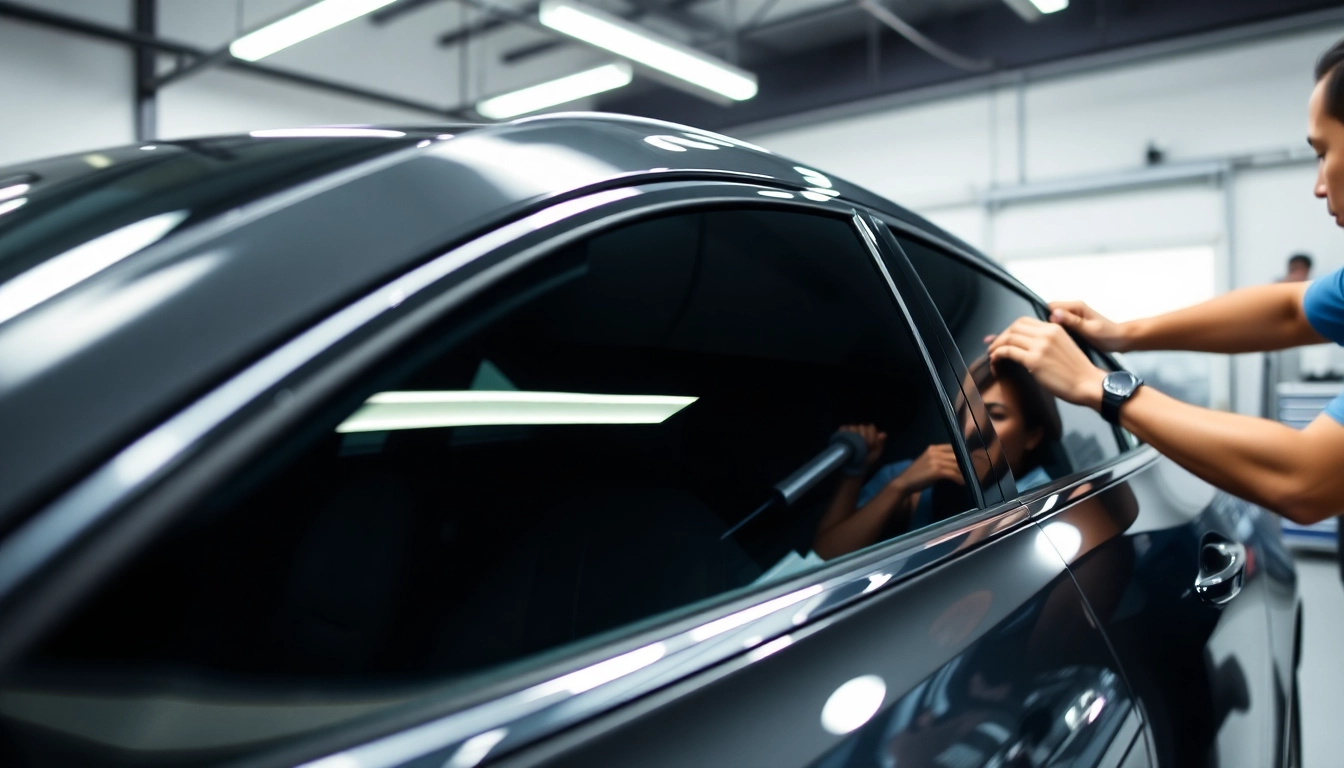
While some may opt for a DIY approach to installing ceramic window tint, professional installation is often recommended. Professional installers have the expertise, tools, and experience necessary to ensure a high-quality finish without bubbles or imperfections. DIY installations can lead to subpar results that reduce the lifespan and effectiveness of the tint.
Steps for Proper Installation
If considering a professional installation, the typical process includes the following steps:
- Preparation: Clean windows thoroughly to remove dirt and grime for optimal adhesion.
- Measurement: Measure each window precisely to cut the film accordingly.
- Application: Apply the film carefully, ensuring there are no bubbles or overlaps.
- Trimming: Trim the film edges for a neat fit around the window frame.
- Drying: Allow adequate time for the film to cure, typically 24-48 hours before rolling down the windows.
Post-Installation Care Tips
After installation, proper care is vital to prolong the life of your ceramic window tint. Here are essential tips:
- Avoid touching the film during the curing process.
- Do not clean the windows for at least a week post-installation.
- When cleaning, use a soft, lint-free cloth with mild soap and water, avoiding ammonia-based cleaners.
Maintaining Your Ceramic Window Tint
Cleaning and Care Instructions
Maintaining your ceramic window tint requires specific care approaches:
- Use soft cloths or microfiber towels to avoid scratching the film.
- For routine cleaning, a gentle soap mixed with water is ideal; harsh chemicals can degrade the film.
- Make sure to wipe down both the interior and exterior surfaces; however, avoid aggressive scrubbing.
Signs of Damage to Watch For
Monitoring your ceramic window tint for signs of wear and tear is essential. Look for:
- Bubbles or peeling edges, which indicate improper installation or damage.
- Fading, which can occur over time but is less common with ceramic options.
- Scratches or abrasions, which could affect performance and appearance.
Restoration Options for Faded Tint
If your ceramic window tint becomes damaged or faded, several restoration options can bring it back to life:
- Professional Repair: Consider hiring a professional installer to assess and repair damaged areas.
- Full Replacement: In cases of severe damage, replacing the entire tint may be the best option for optimal performance.
Frequently Asked Questions
How long does ceramic window tint last?
Ceramic window tint can last over 10 years if properly maintained, significantly longer than traditional tints.
Does ceramic window tint block UV rays?
Yes, ceramic window tint effectively blocks up to 99% of harmful UV rays, protecting your interior and skin.
Can ceramic window tint reduce heat in my car?
Absolutely! Ceramic window tint helps reduce heat buildup inside your vehicle, improving comfort during hot days.
Is ceramic window tint legal?
Regulations vary by state; check local laws regarding tint darkness and reflection levels before installation.
How does ceramic window tint compare to other types?
Ceramic window tint offers superior heat rejection and protection without interfering with electronic devices, unlike dyed or metallic tints.
About the Author